World Court Finds Myanmar Responsible for Genocide Against Rohingya
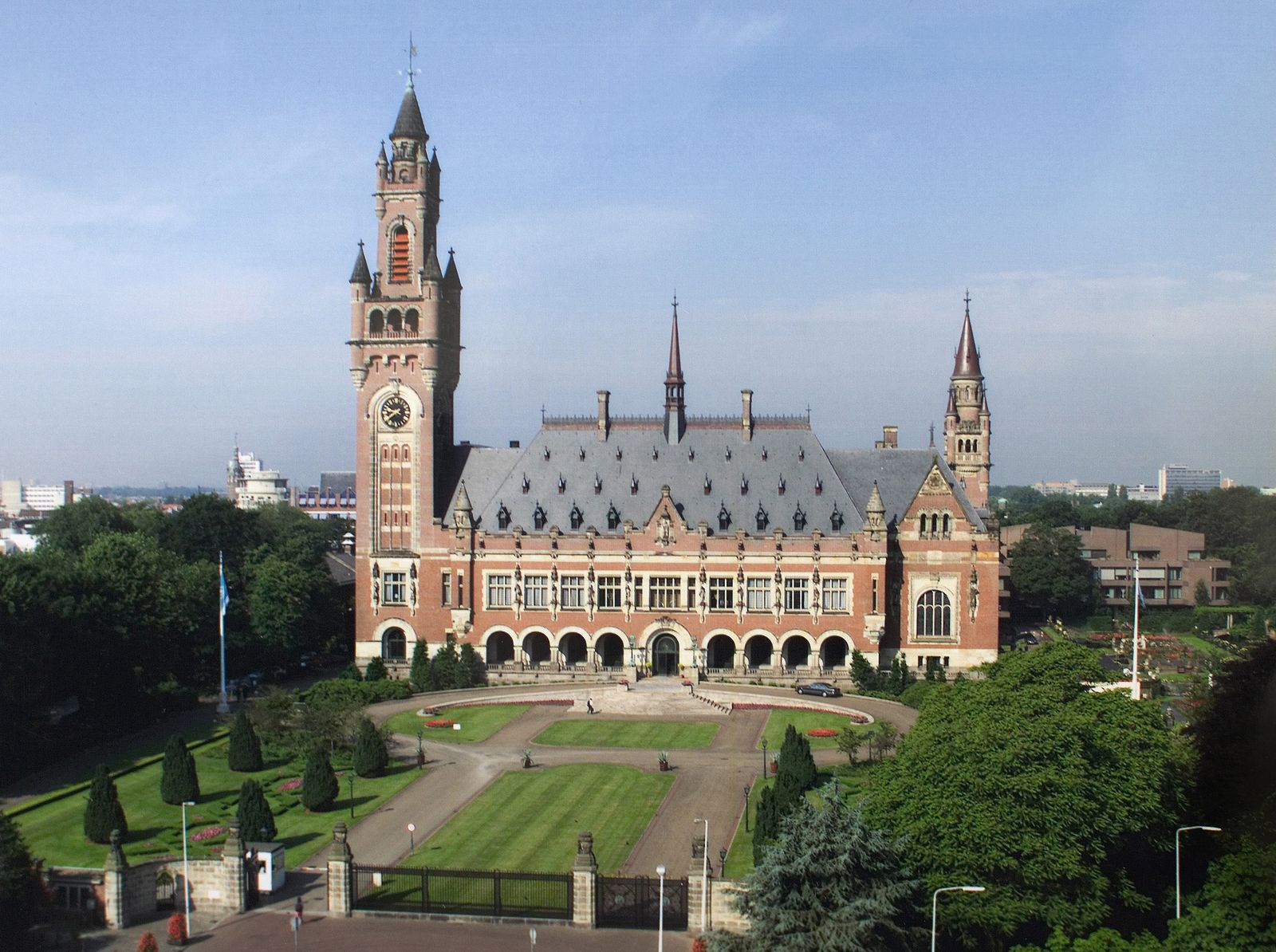
Photo: International Court of Justice; originally uploaded by Yeu Ninje at en.wikipedia., Public domain, via Wikimedia Commons

The International Court of Justice ruled Thursday that Myanmar committed genocide against the Rohingya.
The court issued the finding by a 9-6 vote of the judges. This marks the first time the ICJ has held a state responsible for genocide.
The Gambia filed the genocide case against Myanmar at the ICJ. The case alleges that Myanmar's military clearance operations against the Rohingya violated the 1948 Genocide Convention, with those actions starting in 2016 and growing more intense in August 2017.
Myanmar security forces killed thousands of Rohingya civilians during the 2017 operations. The court found that Myanmar perpetrated widespread acts of sexual violence and extreme violence against children.
The court ordered Myanmar to make reparations to victims where possible, facilitate the safe return of refugees, and investigate and prosecute wrongdoing by its nationals and security forces.
About 1.2 million Rohingya refugees live in camps in Cox’s Bazar, Bangladesh. Rohingya fled Myanmar to Bangladesh during the 2017 crackdown.
Judge Yuji Iwasawa said "the only reasonable inference that can explain Myanmar's actions is an intention to destroy a substantial part of… the Rohingya population in northern Rakhine State". Nay San Lwin said "It means recognition of our identity, restoration of our rights, justice for every victim, and the opportunity to return to our homeland safely, rebuild our lives, and live in peace and dignity".
Murshid Alam said "It is the difference between being told our history was a tragedy, and being told our history was a crime that must be answered for". Michael Kugelman said "If the court rules that the Rohingya were a victim of genocide, there will likely be ample pressure on Dhaka to provide more support and protections for Rohingya on their soil".
Nasir Uddin said "The Rohingya crisis is often treated as a political bargaining issue. But once the court holds Myanmar accountable for genocide, those demands would have a stronger legal foundation". No appeal is possible from the decision.
Verified Facts
- The ruling was decided by a 9-6 vote of the judges. (CNN)
- This is the first time the ICJ has found a state responsible for committing genocide. (BBC News, Bloomberg News, CNN)
- The case alleges Myanmar violated the 1948 Genocide Convention through military clearance operations against the Rohingya that began in 2016 and escalated in August 2017. (Al Jazeera)
- Myanmar security forces killed thousands of Rohingya civilians during the 2017 operations. (DW News)
- The court found that Myanmar perpetrated widespread acts of sexual violence and extreme violence against children. (CNN)
- Judge Yuji Iwasawa said the only reasonable inference from the evidence is that Myanmar had genocidal intent to destroy a substantial part of the Rohingya. (CNN)
- The court ordered Myanmar to make reparations to victims where possible, facilitate the safe return of refugees, and investigate and prosecute wrongdoing by its nationals and security forces. (Al Jazeera, DW News)
- About 1.2 million Rohingya refugees live in camps in Cox’s Bazar, Bangladesh. (Al Jazeera)
- Nay San Lwin said meaningful justice means recognition of Rohingya identity, restoration of rights, justice for every victim, and the opportunity to return to their homeland safely. (Al Jazeera)
- Murshid Alam said, "It is the difference between being told our history was a tragedy, and being told our history was a crime that must be answered for." (CNN)
- The International Court of Justice ruled that Myanmar committed genocide against the Rohingya. (Bloomberg News, CNN)
- The Gambia filed the genocide case against Myanmar at the ICJ. (Al Jazeera, DW News)
- Rohingya fled Myanmar to Bangladesh during the 2017 crackdown. (CNN)
Sources
- Al Jazeera: ‘We want to go back’: Rohingya refugees pin hopes on ICJ genocide verdict
- DW News: UN's top court is set to rule on Rohingya genocide case against Myanmar. Here's what you need to know.
- BBC News: Myanmar faces historic genocide verdict at UN court over Rohingya massacres
- Bloomberg News: World Court Rules Myanmar Committed Genocide Against Rohingya
- CNN: UN top court finds Myanmar guilty of committing genocide against Rohingya minority | CNN