ULA Vulcan Rocket Suffers Anomaly on First Amazon Leo Launch, Fails to Reach Orbit
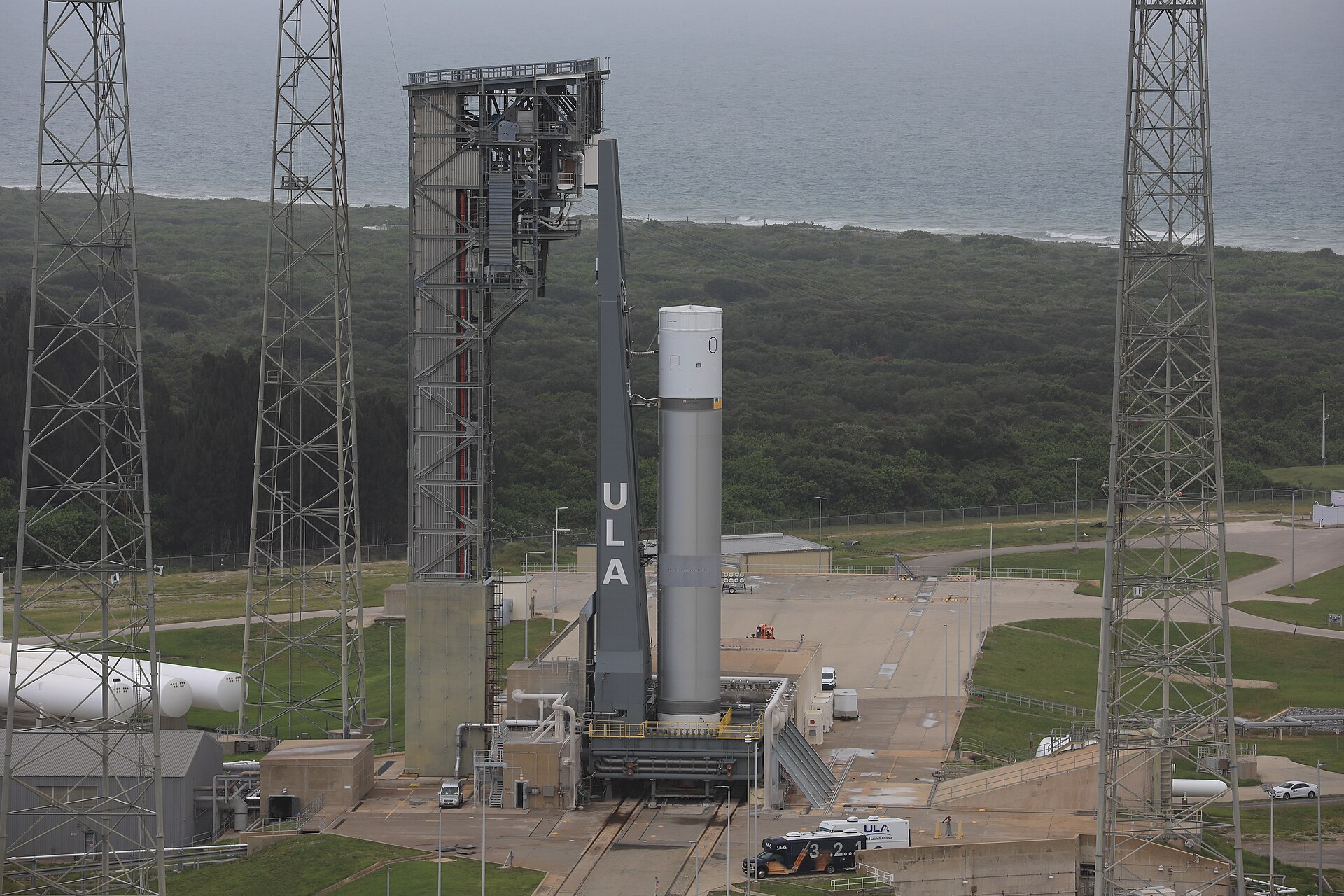
Photo: Kim Shiflett, Public domain, via Wikimedia Commons
United Launch Alliance's Vulcan rocket failed about 10 minutes into flight Sunday and did not deliver its 40 Amazon Leo internet satellites to orbit, the first outright failure of a ULA rocket since the company was formed in 2006.
The rocket lifted off from Space Launch Complex 41 at Cape Canaveral Space Force Station at 12:40 p.m. ET. About 50 minutes later, ULA confirmed the vehicle "suffered an anomaly 10 minutes into the flight and failed to deliver the Amazon mission to orbit." The company said it does not yet know the cause, will investigate and aims to "return to flight as quickly as possible," promising its customers full visibility into the investigation.
It was the first of 38 Vulcan launches Amazon has bought for its Leo network, a competitor to SpaceX's Starlink. "ULA has been a trusted partner for Amazon, and we believe they'll learn from this mission and deliver on their long-term plans for Vulcan," Amazon said. NASA Administrator Jared Isaacman said the agency's team is "available to assist in all matters related to the investigation and remediation effort."
Sunday's flight was only Vulcan's fifth and its first in nine months, as ULA and booster maker Northrop Grumman worked to fix nozzle problems on the strap-on boosters during two earlier flights, one in 2024 and one this past February. The boosters appeared to work normally Sunday. A Friday attempt was scrubbed by trouble at a gaseous nitrogen plant, and network problems delayed it again Saturday.
The failure is another setback for Amazon, which needs more than 3,300 Leo satellites to complete its network. It has also booked 24 launches on Blue Origin's New Glenn, which has been grounded since a failure in May, 24 on Europe's Ariane 6 and 13 on SpaceX's Falcon 9.
Verified Facts
- ULA's Vulcan rocket suffered an anomaly 10 minutes into flight and failed to deliver 40 Amazon Leo satellites to orbit on Sunday. (CBS News, New York Post, UPI)
- The launch took place from Space Launch Complex 41 at Cape Canaveral Space Force Station. (CBS News, UPI)
- The rocket lifted off at 12:40 p.m. ET on Sunday. (CBS News)
- It was the first outright failure of a United Launch Alliance rocket since the company was formed in 2006. (CBS News)
- This was the fifth flight of a Vulcan rocket and the first in nine months. (CBS News)
- Sunday's launch was the first of 38 Vulcan flights purchased by Amazon for its Leo satellites. (CBS News, UPI)
- ULA will investigate the cause and return to flight as quickly as possible. (CBS News, New York Post, UPI)
- NASA Administrator Jared Isaacman offered assistance with the investigation and remediation. (CBS News)
- The launch vehicle was named Vulcan Leo 1. (New York Post)
- Amazon has also booked 24 Leo launches aboard Blue Origin's New Glenn, 24 aboard the European Ariane 6, and 13 aboard SpaceX's Falcon 9. (CBS News)
- More than 3,300 Leo satellites will be needed to complete the constellation. (CBS News)
- A launch attempt Friday was scrubbed after problems knocked out a gaseous nitrogen plant that serves multiple launch providers. (CBS News)
- Another delay was ordered Saturday because of network problems between the Vulcan and ground systems. (CBS News)
- ULA spent months working to resolve problems with the strap-on booster nozzles that occurred during two earlier flights, one in 2024 and the other this past February. (CBS News)
- The boosters appeared to work normally Sunday. (CBS News)